
Uncategorized
Why I Started Using Rabby: A Practical Take on a Multi-Chain DeFi Wallet
Whoa!
I first installed Rabby last year and felt oddly relieved within minutes. It was lightweight, responsive, and not trying to be everything for everyone. At first glance it looked like another extension, but the UX choices felt pragmatic and security-focused. Something felt off about the shiny marketing of competitors, and my instinct said this one was built by people who actually use DeFi rather than just pitch it.
Seriously?
Rabby focuses on multi-chain management without cluttering the interface for users. It supports Ethereum, EVM chains, and lots of Layer 2s out of the box. That matters because cross-chain DeFi is messy, and a predictable wallet reduces costly mistakes. On the technical side, the permissioning model and transaction previews give you clearer signals about what you’re signing, which matters a lot when a single wrong click can drain an account.
Hmm…
The extension model still worries me though, for good reason. Browser extensions are attack surfaces; they hook into webpages and handle secrets. So I watched logs, read manifests, and did small transfer tests before trusting Rabby with larger balances. Initially I thought an external hardware wallet would be necessary for safety, but then realized Rabby’s design pairs nicely with hardware devices and offers a pragmatic intermediate step.
Here’s the thing.
User experience matters as much as cryptography when people are managing money every day. Rabby streamlines account naming, network switching, and token visibility better than most. That reduces accidental operations like sending tokens on the wrong chain because the UI nudges you. Oh, and by the way I had a moment where a transaction preview displayed low-level calldata and I actually read it because Rabby made it accessible; that was a good feeling.
Okay, so check this out—
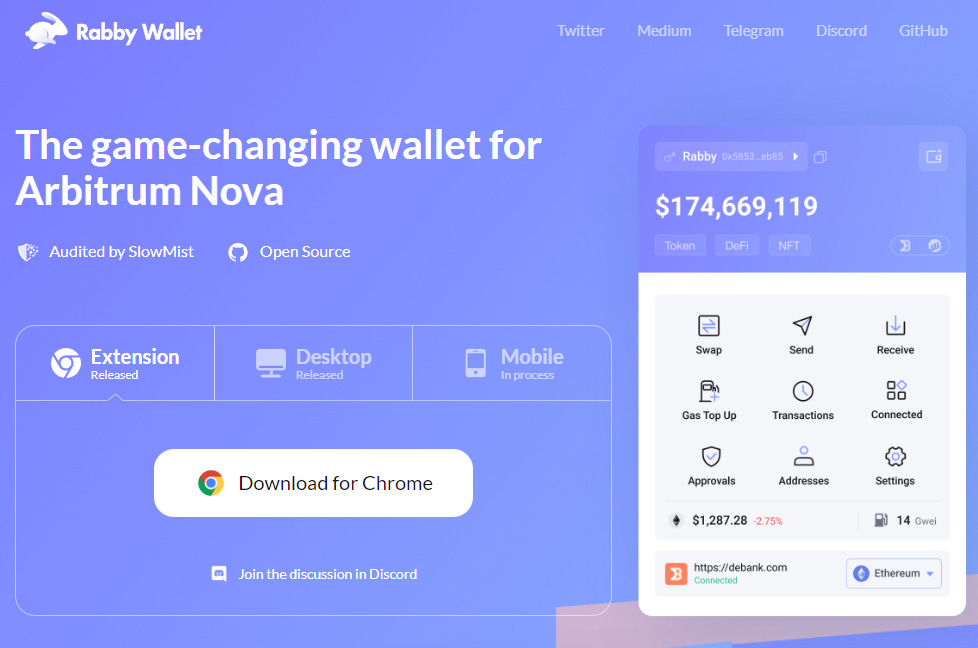
The popup wallet is compact but surprisingly informative and non-intrusive in workflows. You can inspect gas, adjust nonce, and simulate approvals without hopping to another tab. For power users, Rabby exposes advanced controls and shows gas recommendations across chains. I’m biased, but as someone who swaps, farms, and stakes across multiple networks, having those small pieces of context visible in one place changed how I approach risk management.
My instinct said…
Security features aren’t just checkboxes here; they are integrated into daily flows and prompts. Rabby’s permission model isolates dApp approvals which lowers blast radius of malicious contracts. Actually, wait—let me rephrase that: rather than bombarding you with blanket allowances, Rabby encourages granular approvals and shows the scope of each permission, which reduces surprise token allowances and creeping risks. On one hand granular approvals add friction to UX, though actually the friction is purposeful and prevents long-term exposure that becomes painful later on.
Wow!
There are still rough edges in onboarding and small UI quirks that make things confusing. Network lists sometimes feel crowded and token import is manual for some chains. I’ll be honest, this part bugs me because new users can get overwhelmed, and education inside the wallet could be improved to guide safe choices rather than assuming prior knowledge. Something like contextual tooltips or a lightweight walkthrough for first-time cross-chain users would fix a lot and reduce those awkward support tickets.
Natural subheading if needed
Really?
If you’re curious where to try Rabby, there is a straightforward install path. For desktop users it behaves like a typical extension and the onboarding is quick. If you want to test it now and see whether the flow matches your habits, try a careful rabby wallet download from a trusted source, set up a new account, and experiment with small amounts first. Do not rush to import large balances; test approvals, test token transfers, and pair with hardware if you need extra guarantees.
FAQ
Is Rabby safe?
Hmm…
No wallet is perfect, but Rabby takes sensible steps to reduce risks for everyday DeFi use. They emphasize permission granularity and clear transaction previews which help.
Should I pair with hardware?
Absolutely consider pairing with a Ledger or similar device if you hold significant funds because that adds a hardware-backed signature layer which limits exposure from compromised browser environments. Even so, for many users Rabby’s multi-chain ergonomics and permissioning make it a pragmatic intermediate tool, not a replacement for cold storage of very large holdings.
