
Uncategorized
Why a Multichain Browser Extension with Native DeFi Hooks Changes Portfolio Tracking
Whoa, this changes the playbook. I was poking around my extension last night and noticed behaviors that made me pause. There are trackers, token aggregators, and pie charts that barely tell the truth. Initially I thought a simple portfolio tracker would solve most of my needs, but then I realized that DeFi integration, cross-chain visibility, and secure signing flows are what truly matter when you actually move assets between chains and protocols. So the real question became how to get an honest at-a-glance view while keeping keys safe and interactions frictionless across networks.
Seriously? This is bigger than I expected. Most wallets show balances, and some show unrealized gains. Few link live DeFi positions with on-chain performance across multiple L1s and L2s. That disconnect hides risk: vaults with leveraged exposure, pending rewards, or bridge transfers can make a portfolio look healthier than it really is until you wake up to an exploit or failed withdrawal. A browser extension that meshes a clear portfolio timeline with DeFi integrations reduces cognitive load and helps prevent dumb mistakes when you click approve on a contract.
Hmm… my instinct said pay attention. I dug into different trackers and ran test flows on testnets to see failure modes. Some extensions were clunky, others were permission-hungry and frankly confusing. What I wanted was a lightweight UI, readable transaction context, built-in DeFi connectors for common protocols, and a clear way to inspect approvals before signing. Security needed to be non-negotiable: hardware-wallet compatibility, deterministic recovery options, and minimal exposure of private keys even during complex cross-chain swaps or batched interactions.
Here’s the thing. Browser extensions still matter because they sit between your browser and dApps and reduce context switching. A good extension reduces extra windows and manual bridging steps. But the extension must also be a true portfolio manager, reconciling token balances with staked amounts, LP positions, pending vesting schedules, and borrowed or collateralized assets so the picture isn’t misleading. That reconciliation requires live RPC calls, event parsing, and sometimes historical indexation, which is a heavier lift but the payoff is immediate when you need to liquidate or rebalance quickly.
Whoa, check this out— I started using a multichain tracker paired with DeFi connectors on a test account. It surfaced pending rewards, auto-compounding cycles, and bridge in-transit balances automatically. It also highlighted allowances that were way larger than needed, and that saved a headache. That visibility stopped me from approving a risky staking contract that had a confusing fee structure and a poorly written timelock clause; my gut said somethin’ was off, and the tracker confirmed it. I’m biased, but having that moment saved more than gas fees — it saved time, emotional stress, and potentially lost principal if the protocol had gone sideways during a market dip.
Seriously? This is no joke. Integrations are tricky though, because each protocol exposes data differently and you quickly run into schema mismatches. You need adapters that normalize events, calculate APR correctly, and account for compounding. On one hand building every adaptor in-house is resource-intensive, though actually partnering with community-built indexers risks inconsistency and central points of failure, so tradeoffs are everywhere. A smart middle path is modular integration: validate third-party adapters, sandbox them, and surface confidence scores so users understand reliability and provenance before trusting aggregated numbers.
Hmm… this part bugs me. Approvals remain the scariest UX problem for most advanced users and novices alike. Extensions must show granular allowance details, not just a summary number, because that summary is deceptive. That means transaction previews should display exact function calls, token amounts, and potential downstream effects like rebases or slashing, because casual users won’t understand the nuance unless you make it obvious. And yes, that requires UI compromises and education overlays, but the alternative is silent approvals that haunt you later when a contract drains funds.
Where to start if you want both tracking and DeFi hooks
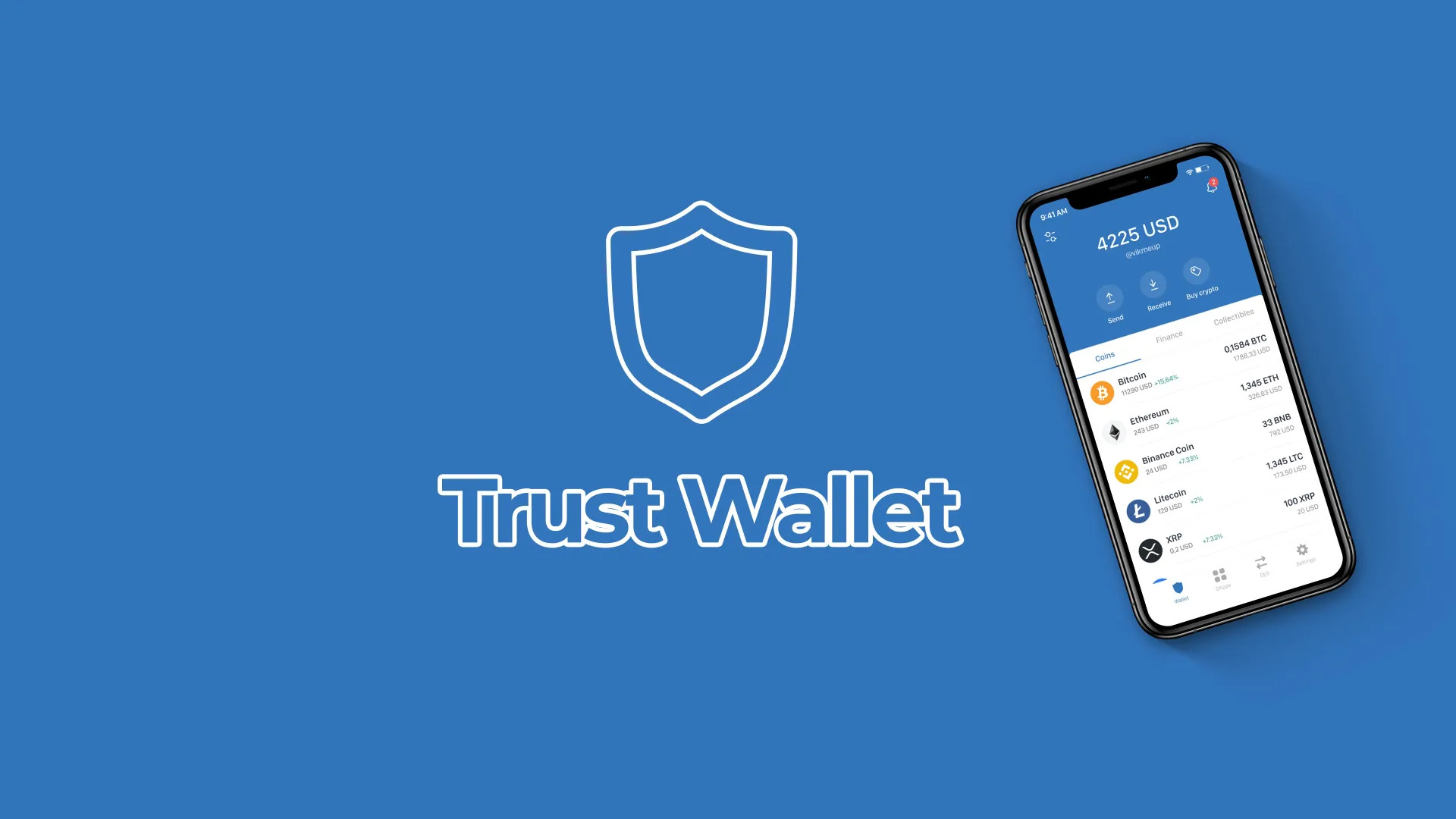
If you care about multichain UX, you need a tight extension. Portfolio timelines help spot recency bias and hidden drift in allocations. Tools that combine on-chain telemetry, DeFi connectors, and permission auditing allow you to act quickly — rebalance, unstake, or migrate liquidity — with confidence, which matters when markets move fast. If you want to try something with those ideas baked in, consider a lightweight multichain extension like truts that aims to unite portfolio tracking and DeFi integration without bloated permissions.
Okay, so check this out— the right product reduces friction and reduces mental overhead, very very important when you manage multiple chains. Initially I thought a fancy dashboard was the answer, but then I realized the real value is in accurate, contextual, and timely signals tied to safe signing flows. Actually, wait—let me rephrase that: dashboards are useful, but they must be married to secure interactions and transparent adapters to be genuinely valuable. On one hand you want simplicity; on the other hand you need depth for troubleshooting, though in practice most people want smart defaults and gradual disclosure of complexity.
Frequently asked questions
How does a browser extension safely integrate DeFi protocols?
It validates contracts, limits allowance scopes, and uses modular adapters that normalize protocol data while keeping signing strictly client-side; hardware wallets and clear transaction previews add extra safety layers, and sandboxing third-party integrations reduces systemic risk.
Will a multichain tracker increase my attack surface?
Potentially, if the extension requests broad permissions or blindly trusts external indexers. The safer approach is minimal RPC access, vetted adapters, permission scoping, and transparency indicators so you know the provenance of each data point—oh, and always pair with a hardware wallet for big balances.
